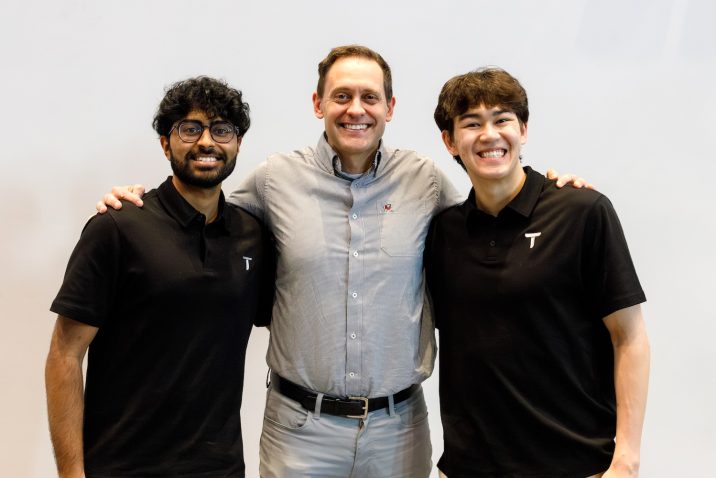
How Jags4Jags Can Help YOU!
Time of transition are hard - your mentor is here to help you through it!
Times of transition ������ such as making the move from high school to college or from the workforce to college can be stressful! Having adequate support during these times can improve your experience and your ability to succeed. This support can come from many places, including mentors who share with you what they learned when they underwent similar transitions in their lives. Students can connect with potential mentors in many ways, such as by talking with faculty members, on-campus supervisors, and academic advisors.
Formal mentorship programs, like Jags4Jags, are also common across the nation. The goals of these programs include increased retention and graduation rates, higher academic achievement, and guided career exploration.
Contact Us
Mentorship and Student Engagement
Summerville Campus


Signs of an Effective Mentor
They're Invested in You
They're Respectful
A good mentor is kind and admires you as a whole person who may be different in small or large ways.
They're a Good Listener
An effective college mentor uses active listening skills to help them pay attention to your needs and provide appropriate feedback.
They're Empathetic
They Can See Solutions and Opportunities
They're Flexible
Mentoring Overview
Be Seen, Be Supported: Why Mentorship is Key to the College Experience
Our Case for Mentorship
Finishing up high school, or transitioning from another institution or environment, means a world of opportunity ahead of you. The college experience means exploring new courses and programs. Fitting into a new community. Thinking in real terms about your career. It can be a lot to navigate on your own. When you���re figuring things out for yourself, that adds pressure. But you don���t have to go it alone: having a mentor can change your life, while you���re in college and beyond.
What's a Mentor?
A mentor is a friend, teacher or colleague that is ahead of you in experience, age or grade level. Maybe they���re a junior or senior when you���re a freshman. Or a faculty or staff member. Someone who has walked in your shoes and is willing to share the wisdom they���ve gained. Someone who is focused on helping you reach your full potential. Someone who sees you and supports you.
Yes, it���s nice having someone tell you how the cafeteria works or what to wear to a special event. But there���s so much more to a mentor than just tips about the college experience. Over time, a mentor can help in bigger ways. This could mean making connections and introductions to help grow your network. And as you prepare for graduation, a mentor can talk through career options ��� what life is really like outside of college. This helps guide you toward a fulfilling job and community after you leave your college world behind.
A Cycle of Mentorship
As you learn from your mentor, growing and taking more risks, you���ll adopt some of your mentor���s skills and habits. You���ll make them your own. Soon, you���ll outgrow your status as a mentee, making your own way personally and professionally. Then, when the time is right, you���ll be ready to become a mentor to the next generation of students/professionals making their way behind you.
This cycle of mentorship exemplifies the virtue of ���paying it forward.��� When you���re guided on your journey through college and into the professional world, you���ll be prepared to provide sage wisdom based on your experience. Traditions and best practices are passed down through the cycle of mentorship. But new knowledge and understanding make their way into the mainstream this way, too.
Becoming a mentor for someone else isn���t just a one-way street. You���ll also learn from your mentee, reinforcing a growth-mindset as you continue to develop into your best self.
No matter where you choose to study, going to college represents an enormous transition. College is a transformative time ��� it is the bridge between your student days and your professional life. This transition can be scary, even overwhelming. But with the extra insight, advice, reassurance and encouragement a mentor provides, this transition becomes a little more manageable.
Mentorship Resources
Student Success Stories
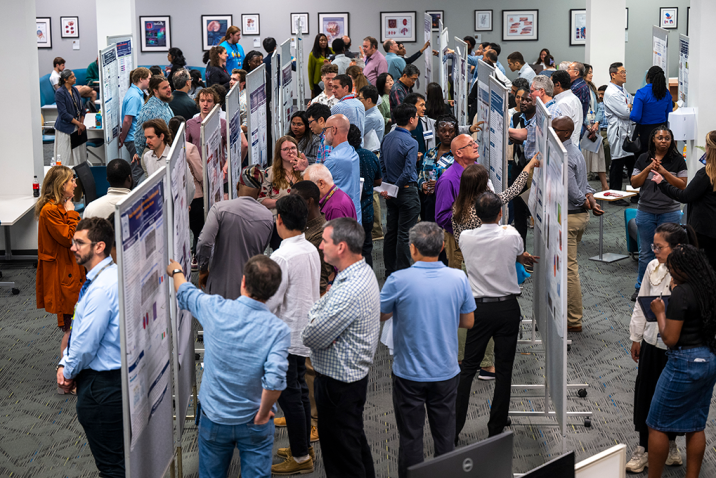
酴圖傻弝け Research Day growth reflects university���s commitment to research
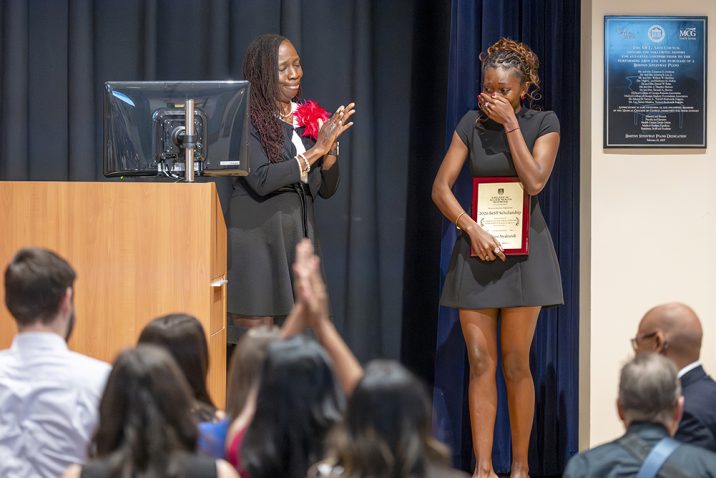
Physician assistant student overwhelmed to receive BeST Scholarship